
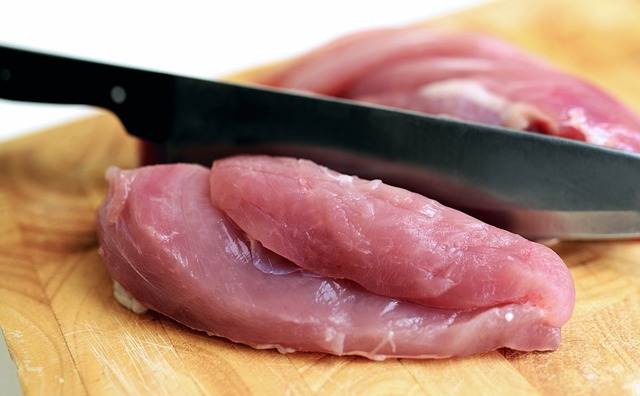
Handling raw meat safely is one of the most important aspects of food hygiene and food safety. Whether you’re preparing dinner for your family or managing a café kitchen, the way you handle meat determines whether your meals are safe to eat.
Following good food handling habits not only protects customers and staff but also ensures your business stays compliant with Australian standards.
Why Raw Meat Requires Extra Care
Raw meat carries natural bacteria such as Salmonella, E. coli, and Listeria, which can cause serious illness if transferred to cooked food or preparation surfaces. These pathogens are invisible, which is why every step—from storage to cooking—must be handled with care.
Poor handling can lead to cross-contamination and costly health breaches. Whether you’re running a small food business or cooking at home, practising safe meat handling demonstrates your commitment to food hygiene and keeps everyone healthy.
Under Standard 3.2.2A of the Australia New Zealand Food Standards Code, all food businesses must ensure staff are trained in safe food handling practices relevant to their duties as part of the business’s Food Safety Program.
Unlike Food Safety Supervisor training, Food Handler training does not have a national expiry. However, completing nationally recognised training such as AIA’s Food Handling Certificate helps ensure your business remains fully compliant.
Essential Food Handling Habits
Good food safety starts with consistent daily habits. Incorporate these simple practices into your routine to reduce risks in your kitchen.
Separate Raw and Ready-to-Eat Foods
Always keep raw meats separate from cooked or ready-to-eat foods. Use colour-coded chopping boards and utensils — one for meat, one for fruit and vegetables. Never place cooked meat back on a plate that previously held raw meat.
Store Meat at the Correct Temperature
Keep raw meat refrigerated at or below 5 °C until it’s ready to cook. If freezing, ensure it’s wrapped securely to prevent leaks. When thawing, always defrost meat in the fridge — never on the benchtop — to keep it out of the temperature “danger zone” where bacteria multiply rapidly.
Clean and Sanitise Thoroughly
After preparing meat, wash knives, boards, and benches in hot soapy water. Follow with a food-safe sanitiser, especially after handling poultry.
For approved cleaning and sanitising methods, see the FSANZ Cleaning and Sanitising Guide.
For deeper guidance on kitchen hygiene, explore our How to Maintain Cleanliness in the Kitchen article.
Take Your Food Handling Skills Further
Good hygiene habits form the foundation of safe food preparation, but proper training builds the confidence to apply them consistently. You can enrol in AIA’s Food Handling Course to gain your nationally recognised Food Handling Certificate.
This short, online course covers temperature control, cross-contamination prevention, cleaning and sanitising, and personal hygiene requirements for food handlers.
Cooking Meat to the Right Temperature
Cooking meat thoroughly is one of the simplest ways to kill harmful bacteria. Use a thermometer to check internal temperatures:
- Poultry — 75 °C or hotter
- Minced meat — 71 °C or hotter
- Whole cuts of beef or lamb — at least 63 °C (medium)
Avoid partially cooking meat to “finish later,” as bacteria can survive the cooling period. Once cooked, serve immediately or keep hot (above 60 °C) until serving.
Personal Hygiene and Food Safety
Your hands are the most common way bacteria spread in a kitchen. Wash hands thoroughly with warm water and soap before and after touching raw meat, after using the bathroom, and after handling rubbish.
Wear clean clothing and cover any cuts or bandages with brightly coloured waterproof dressings.
For workplaces, ensure staff understand correct uniform and hand-washing protocols. If you’re responsible for food safety training, AIA’s Food Safety Supervisor Course can help you meet compliance requirements in your state or territory.
For more guidance on personal hygiene, see our Why Personal Hygiene in Food Handling is Important guide.
Waste Management and Cleaning Schedule
A tidy workspace supports better food safety outcomes. Dispose of raw meat scraps promptly in sealed bins and clean them daily to deter pests. Maintain a written cleaning schedule outlining what needs to be sanitised, how often, and by whom.
This not only prevents contamination but also supports compliance with Standard 3.2.2A.
When to Refresh Your Food Safety Training
Even experienced food handlers benefit from refresher training every few years. Updated training ensures your knowledge remains aligned with current legislation and best practice. AIA’s online Food Handler and Food Safety Supervisor courses make it easy to stay compliant and confident in your role.
To understand training validity and renewal recommendations, see our Duration of a Food Handler’s Certificate guide.
Final Takeaway – Safe Meat, Safe Kitchen
Safe meat handling protects everyone who eats the food you prepare. By separating, storing, and cooking meat correctly — and maintaining excellent personal hygiene — you’re building trust and professionalism in your kitchen.
Ready to take your food safety skills to the next level?
Enrol in AIA’s Food Handling Course today and gain your nationally recognised certificate in food hygiene and handling.
Training delivered by Australian Institute of Accreditation (RTO 45009).
Upon successful completion, learners receive a Nationally Recognised Statement of Attainment for the units listed above.
For details about fees, assessment requirements, and learner support, visit: www.aia.edu.au.