
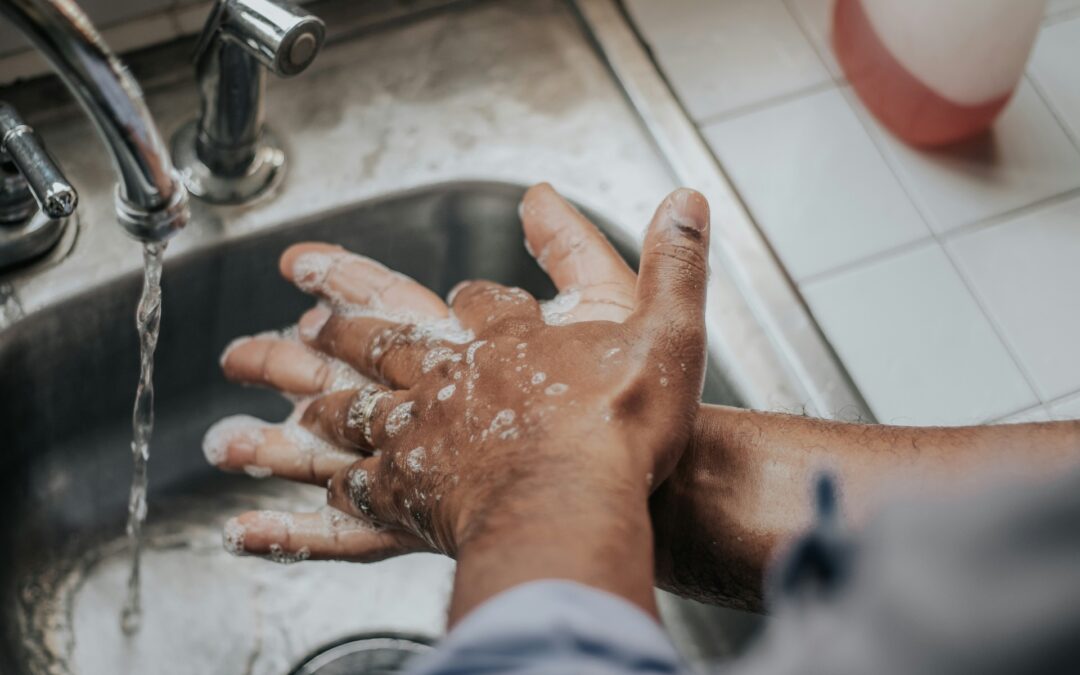
In every food business – from cafés and restaurants to supermarkets and catering services – maintaining strict hygiene is essential. Poor personal hygiene in food safety can lead to contamination, foodborne illness, and serious legal consequences for businesses.
This guide explores why personal hygiene is important in the kitchen, how it affects food safety, and what best practices every food handler should follow to keep customers safe and workplaces compliant.
Understanding Food Safety and Personal Hygiene
Food safety personal hygiene refers to the habits, behaviours, and cleanliness standards that food handlers follow to prevent contamination. Every time someone handles, prepares, or serves food, there’s a risk of transferring bacteria, viruses, or allergens from their hands, clothes, or surroundings.
Good hygiene protects food from these risks. But it also protects the reputation of your business and the health of your customers. Common causes of contamination include:
- Not washing hands properly after handling raw food or using the restroom
- Wearing unclean uniforms or accessories
- Touching face, hair, or personal devices during food prep
- Working while sick
- Using unclean tools or surfaces
Even small lapses in hygiene can quickly lead to major issues, such as outbreaks of salmonella, norovirus, or E. coli.
Under Standard 3.2.2A of the Australia New Zealand Food Standards Code (mandatory since 8 December 2023), all food businesses must ensure that staff are trained in safe food handling practices relevant to their duties as part of the business’s Food Safety Program.
Why is Personal Hygiene Important in the Kitchen?
Personal hygiene is one of the most effective ways to control food safety hazards. In a kitchen environment, bacteria and pathogens spread easily through contact, moisture, and warmth – all conditions commonly found in food preparation areas.
Here’s a few reasons why food safety personal hygiene is important so in the kitchen:
- Prevents cross-contamination: Clean hands, clothing, and work surfaces stop harmful bacteria from spreading between raw and cooked foods.
- Reduces foodborne illness: Proper hygiene practices help eliminate bacteria that can cause serious illness in customers.
- Maintains customer trust: Visible cleanliness and professionalism reassure customers that their food is prepared safely.
- Supports legal compliance: Food businesses are legally required to meet hygiene and safety standards under Food Standard 3.2.2A.
- Protects your career: Poor hygiene can lead to penalties, closures, or job loss – while consistent good hygiene demonstrates professionalism and care.
Here is a great a great workplace handout provided by Safe Work Australia Health and Hygiene for food handlers Factsheet.
Examples of Poor Personal Hygiene in Food Safety
Even one personal hygiene mistake can compromise food safety. Some common examples include:
- Failing to wash hands between handling raw meat and ready-to-eat foods
- Wearing jewellery or long nails that trap bacteria
- Preparing food while sick or coughing near food
- Using dirty cloths or equipment to wipe benches
- Not covering cuts or wounds with waterproof dressings
Training helps food handlers recognise and correct these issues before they lead to contamination.
Nationally Recognised Training such as SITXFSA005 – Use Hygienic Practices for Food Safety and SITXFSA006 – Participate in Safe Food Handling Practices teaches staff how to handle food safely and meet state and national requirements.
How Good Personal Hygiene Supports Food Safety Certification
Practicing excellent food safety and personal hygiene is central to every accredited training course. When completing your food handlers certificate, you’ll learn how hygiene habits tie into broader food safety systems – from cleaning schedules and temperature control to pest management and waste disposal.
A strong understanding of hygiene not only helps you pass your assessments but also builds confidence to work safely in real kitchen environments.
For those completing a Food Handling Certificate in VIC, NSW, QLD, or SA, maintaining hygiene is one of the core learning outcomes required to meet both state and national food safety laws – sometimes called a ‘Food Hygiene Certificate’ or ‘Safe Food Handling Certificate’ in some regions.
How Long Does a Food Handlers Certificate Last?
It’s also important to stay up to date with your qualifications. Understanding the duration of a food handlers certificate helps ensure your training and hygiene knowledge remain current.
Most food handling certificates in Australia are valid for five years. After that, you’ll need to complete a short recertification course to stay compliant with evolving standards and maintain best practices in hygiene.
Unlike the Food Safety Supervisor qualification, which must be renewed every five years, there is currently no national expiry on accredited Food Handler training.
Businesses are still responsible for ensuring staff maintain up-to-date skills and knowledge, and many choose to arrange refresher training every few years to meet the competency requirements of Standard 3.2.2A- Food safety management tools.
Why Choose Online Food Safety Training
At AIA – Australian Institute of Accreditation, we make it easy to learn the fundamentals of food safety and personal hygiene through 100% online, self-paced courses. You can study from anywhere, review lessons as needed, and complete assessments when you’re ready – all with full support from our expert team.
Whether you’re starting your career or managing a team, AIA’s nationally recognised courses give you the flexibility to learn at your own pace and the confidence to apply your knowledge in any food environment – building the skills that can lead to supervisory roles or becoming a Food Safety Officer.
Keep Food Safe: Start Your Training Today
Personal hygiene isn’t just a rule; it’s a responsibility. By understanding why personal hygiene is important in the kitchen and practising proper hygiene, you play a vital role in protecting customers, maintaining food quality, and building a safer hospitality industry and you can start today by enrolling in our Food Safety Training Certificate delivered 100 % online.
Learn more about maintaining strict hygiene standards in our Cleanliness in the Kitchen guide.
Discover how to prevent contamination when working with raw foods in our Safer Practices for Handling Raw Meats guide.
Get certified with the Australian Institute of Accreditation and take the next step in your career with a Food Handlers Certificate.
Training delivered by Australian Institute of Accreditation (RTO 45009).
Upon successful completion, learners receive a Nationally Recognised Statement of Attainment for the units listed above. For details about fees, assessment requirements, and learner support, visit our website https://b-t.website/